
Are Corian Worktops Heat and Scratch Resistant?
Why Choose MAKStone for Your Kitchen?

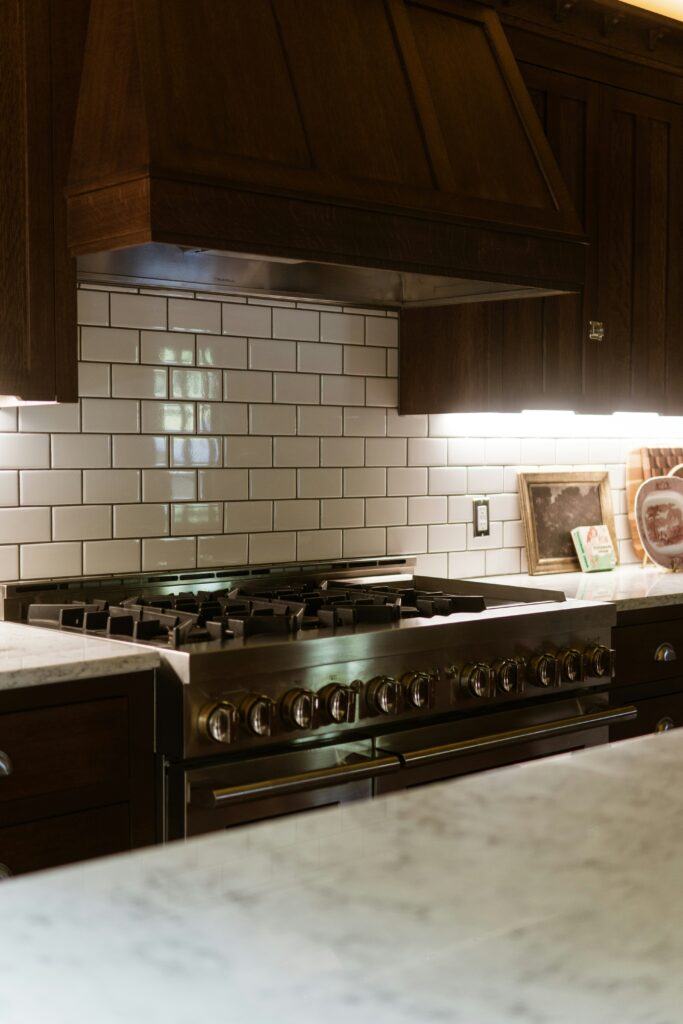
Everything homeowners need to know about recycled glass worktops, including their environmental impact, durability, maintenance requirements, and whether they are truly an eco-friendly choice for modern kitchens.
Choosing a kitchen worktop is no longer just about appearance, durability, and cost. Increasingly, homeowners are considering the environmental impact of the materials they bring into their homes. From energy-efficient appliances to sustainably sourced cabinetry, eco-conscious decisions are becoming a key part of modern kitchen design.
Worktops are one of the largest material investments in any kitchen renovation, making them an important consideration from a sustainability perspective. While quartz, granite, laminate, and solid surface worktops remain popular choices, recycled glass worktops have emerged as an attractive alternative for homeowners looking to reduce their environmental footprint.
The growing popularity of recycled glass worktops isn’t solely due to their sustainability credentials. They also offer unique visual appeal, impressive durability, and relatively low maintenance requirements. However, many homeowners still wonder whether recycled glass worktops are genuinely eco-friendly or whether the environmental claims are simply a marketing tool.
The reality is that recycled glass worktops offer several significant environmental benefits, but like any manufactured product, they are not entirely impact-free. Understanding both the advantages and limitations is essential when deciding whether they are the right choice for your kitchen.
What Are Recycled Glass Worktops?
Recycled glass worktops are manufactured using reclaimed glass that has already completed its original lifecycle.
The production process generally involves:
- Collecting waste glass
- Cleaning and sorting the material
- Crushing the glass into fragments
- Combining it with a binder such as resin or cement
- Forming and polishing the finished surface
The result is a durable worktop that incorporates material that might otherwise have been discarded.
Many recycled glass worktops contain visible pieces of coloured or clear glass embedded throughout the surface. These fragments create distinctive patterns and visual depth that make every installation unique.
Available styles often include:
- Contemporary minimalist designs
- Speckled finishes
- Neutral stone-inspired appearances
- Reflective surfaces
- Bold decorative patterns
- Multi-coloured contemporary designs
Because the glass particles vary in shape, size, and colour, no two worktops are exactly alike.
Why Sustainability Matters in Kitchen Design
Sustainability has become a major consideration for homeowners undertaking renovation projects.
Modern consumers are increasingly aware of:
- Climate change
- Resource depletion
- Waste generation
- Environmental responsibility
- Long-term sustainability
The kitchen is often one of the most resource-intensive rooms in the home. Renovations typically involve significant quantities of materials, transportation, manufacturing, and installation.
By selecting environmentally conscious products, homeowners can reduce the overall environmental impact of their project.
While no construction or renovation material is entirely free from environmental costs, some options generally have lower impacts than others.
This is one reason recycled materials continue to gain popularity across the home improvement industry.
What Makes Recycled Glass Worktops Eco-Friendly?
The biggest environmental advantage of recycled glass worktops is their use of reclaimed material.
Instead of relying entirely on newly extracted resources, manufacturers reuse glass that has already been produced and used.
This approach helps:
- Reduce landfill waste
- Extend the lifespan of existing materials
- Reduce demand for virgin resources
- Support recycling initiatives
- Promote circular economy principles
Rather than allowing waste glass to become an environmental burden, recycled glass worktops transform it into a long-lasting and functional product.
For many homeowners, this reuse of existing materials is one of the strongest reasons to choose recycled glass over conventional alternatives.
Reduction in Landfill Waste
Glass can remain in landfill for extremely long periods.
Unlike organic materials that break down naturally, glass persists for generations.
Using recycled glass in worktop manufacturing helps divert significant amounts of waste away from landfill sites.
Benefits include:
- Reduced landfill pressure
- Better waste management
- Extended material lifecycles
- Improved resource efficiency
The environmental value of diverting waste becomes even more important as landfill capacity continues to decrease in many regions.
Every tonne of glass recycled into useful products reduces the need for disposal while keeping valuable materials in circulation.
Lower Demand for Virgin Raw Materials
Many traditional worktop materials rely heavily on newly extracted resources.
Examples include:
- Quarrying granite
- Mining minerals
- Producing new aggregates
- Processing virgin raw materials
Resource extraction can contribute to:
- Habitat disruption
- Landscape alteration
- Energy consumption
- Environmental degradation
By incorporating recycled glass, manufacturers reduce the demand for some newly sourced materials.
While recycled glass worktops still require additional ingredients and processing, their use of reclaimed material generally lowers the need for virgin resource extraction.
Supporting a Circular Economy
The concept of a circular economy focuses on keeping materials in use for as long as possible.
Instead of following a traditional cycle of extraction, production, use, and disposal, circular systems aim to reuse and repurpose existing materials.
Recycled glass worktops support this principle by:
- Giving waste materials a second life
- Encouraging recycling systems
- Reducing disposal requirements
- Promoting long-term material use
For environmentally conscious homeowners, supporting products that contribute to circular economy principles can be an important factor in purchasing decisions.
Unique Aesthetic Appeal
One of the most appealing aspects of recycled glass worktops is that sustainability does not come at the expense of style.
In fact, many homeowners choose recycled glass primarily because of its appearance.
Depending on the design, recycled glass surfaces can feature:
- Subtle reflective particles
- Bold decorative fragments
- Colourful accents
- Modern contemporary patterns
- Natural stone-inspired aesthetics
The glass particles catch and reflect light in ways that many traditional materials cannot replicate.
This visual depth often makes recycled glass worktops a focal point within the kitchen.
We’ve seen homeowners initially investigate recycled glass because of its sustainability credentials but ultimately choose it because they fell in love with its appearance.
Durability and Longevity
Environmental performance isn’t determined solely by how a product is manufactured.
Longevity is equally important.
A durable worktop that remains functional for decades can often be more environmentally responsible than a material requiring frequent replacement.
Many recycled glass worktops offer:
- Long service life
- Good impact resistance
- Strong durability
- Resistance to everyday wear
- Consistent performance
When maintained properly, they can continue performing well for many years.
The longer a worktop lasts, the more effectively it spreads the environmental costs of manufacturing across its lifespan.
Why Product Lifespan Matters for Sustainability
When discussing eco-friendly materials, lifespan is often overlooked.
A product made from recycled content still consumes resources during manufacturing and installation.
If that product needs replacing after a short period, its environmental benefits may be reduced.
Long-lasting worktops help:
- Reduce replacement frequency
- Lower material consumption
- Minimise waste generation
- Improve long-term sustainability
This is one reason durability should always be considered alongside recycled content.
Are There Environmental Drawbacks?
Although recycled glass worktops offer clear environmental advantages, they are not completely impact-free.
Potential considerations include:
- Manufacturing energy requirements
- Transportation emissions
- Processing impacts
- Use of binding materials
- Packaging and distribution
Like all manufactured products, recycled glass worktops require energy and resources to produce.
The environmental impact varies depending on:
- Manufacturing methods
- Factory efficiency
- Transportation distances
- Recycled content percentages
- Product composition
This is why sustainability should be viewed as a combination of factors rather than a single environmental claim.
Understanding the Role of Resins and Binders
Most recycled glass worktops require additional materials to hold the glass fragments together.
These binders may include:
- Resin systems
- Cement-based compounds
- Composite materials
While these ingredients contribute to durability and structural performance, they may also influence the environmental profile of the finished product.
When comparing products, homeowners should consider:
- Percentage of recycled content
- Manufacturing practices
- Product lifespan
- Overall sustainability credentials
Not all recycled glass worktops are created equally.
Recycled Glass vs Quartz
Quartz remains one of the UK’s most popular worktop materials.
However, quartz surfaces typically contain relatively low levels of recycled content.
| Feature | Recycled Glass | Quartz |
| Recycled Content | High | Low |
| Sustainability Focus | Strong | Moderate |
| Maintenance | Low | Low |
| Unique Appearance | Excellent | Excellent |
| Environmental Appeal | Strong | Moderate |
For homeowners prioritising sustainability, recycled glass often provides a clear advantage.
Recycled Glass vs Granite
Granite is a natural material, but quarrying and transporting stone can involve substantial environmental impacts.
Compared to granite, recycled glass may offer:
- Reduced resource extraction
- Lower reliance on virgin materials
- Greater use of reclaimed resources
- Strong sustainability credentials
However, granite’s exceptional lifespan can also contribute positively to its environmental performance.
The best choice depends on individual priorities and project requirements.
Recycled Glass vs Solid Surface Worktops
Solid surface worktops are known for seamless installations and repairability.
Compared to solid surface materials, recycled glass often provides:
- Higher recycled content
- Stronger sustainability messaging
- Unique visual characteristics
Solid surface products may offer advantages in terms of repairability and custom fabrication, while recycled glass often appeals more strongly to environmentally focused homeowners.
Maintenance Requirements
An environmentally friendly product still needs to be practical.
Fortunately, recycled glass worktops are generally easy to maintain.
Routine cleaning usually involves:
- Warm water
- Mild detergent
- Soft cloths
- Non-abrasive cleaning products
Most spills can be cleaned quickly without specialist treatments.
Simple maintenance routines help preserve both the appearance and longevity of the worktop.
Are Recycled Glass Worktops Suitable for Family Kitchens?
Family kitchens require surfaces capable of handling everyday life.
From preparing meals and helping children with homework to entertaining guests, worktops experience constant use.
Many recycled glass worktops are suitable for busy households because they offer:
- Good durability
- Easy cleaning
- Attractive aesthetics
- Long lifespan
- Practical maintenance requirements
For families trying to balance sustainability with practicality, recycled glass can be a compelling option.
Real-World Experience
We’ve worked with homeowners who specifically wanted environmentally conscious materials as part of their kitchen renovation.
One homeowner was completing a large extension and wanted every material selection to support the sustainability goals of the project. After comparing several options, they selected a recycled glass worktop because it offered both environmental benefits and a distinctive appearance.
Another client initially assumed recycled glass would have a limited range of designs. After reviewing samples, they were surprised by the variety of colours, patterns, and finishes available. Several years after installation, the worktop remained one of their favourite features within the kitchen.
Experiences like these highlight how modern sustainable materials have evolved. Today’s recycled glass worktops are not simply environmentally responsible—they are also capable of delivering the style and performance homeowners expect from a premium worktop.
Pros and Cons of Recycled Glass Worktops
Pros
- Contains recycled materials
- Reduces landfill waste
- Supports circular economy principles
- Unique appearance
- Strong sustainability credentials
- Durable performance
- Low maintenance
- Long lifespan
- Wide range of design options
Cons
- Manufacturing still requires energy
- Transportation impacts vary by supplier
- Limited repairability compared to some alternatives
- Sustainability benefits vary between products
- Costs can vary depending on design and composition
Final Verdict: Are Recycled Glass Worktops Eco-Friendly?
Yes, recycled glass worktops are generally considered one of the most eco-friendly worktop options available to homeowners.
Their use of reclaimed materials helps reduce landfill waste, lowers demand for virgin resources, and supports a more sustainable approach to manufacturing.
However, sustainability should always be evaluated holistically. Product lifespan, manufacturing methods, transportation distances, and maintenance requirements all contribute to the overall environmental impact.
Choose recycled glass worktops if:
- Sustainability is a major priority.
- You want a worktop containing recycled materials.
- You appreciate distinctive design features.
- You want a durable, low-maintenance surface.
- You are looking for an environmentally conscious alternative to traditional worktops.
For many homeowners, recycled glass worktops offer an ideal combination of sustainability, practicality, and visual appeal. Rather than being a compromise, they often become one of the most distinctive features within the kitchen while supporting a more environmentally responsible renovation.
