
Is Durasein Good?Is Durasein Good? A Complete Guide to Durasein Solid Surface Worktops

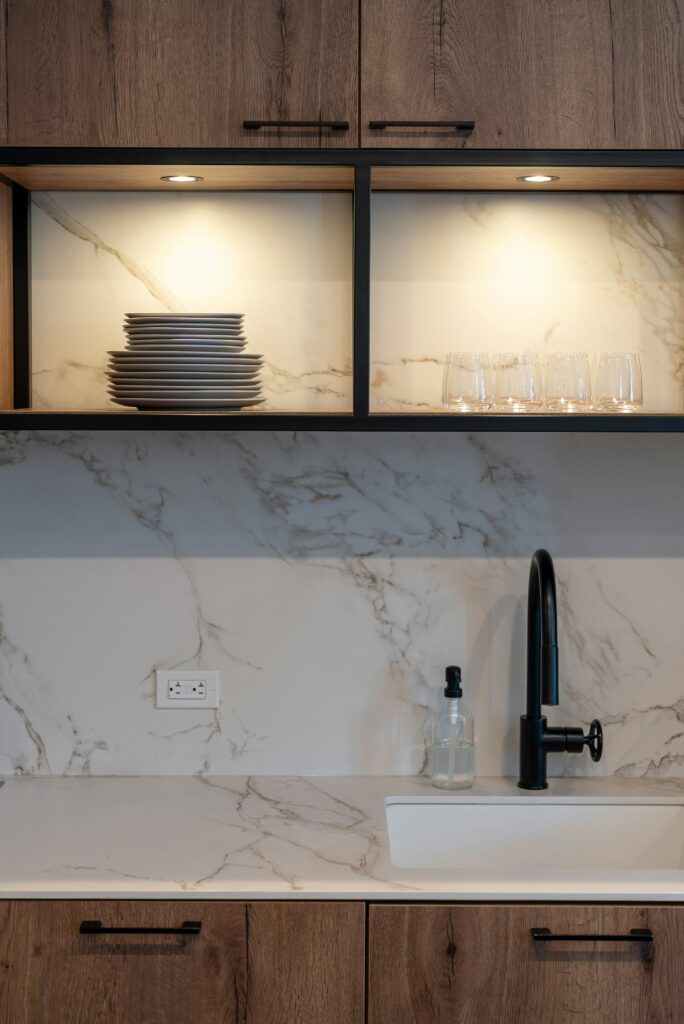
As more homeowners look to create kitchens that are not only beautiful but also more sustainable, environmental impact has become an important consideration when choosing a worktop. Alongside factors such as appearance, durability, maintenance and price, many people now want to understand how their chosen material affects the environment over its lifetime.
It’s a sensible question to ask. A kitchen worktop is a long-term investment, and the material you choose can influence everything from the amount of waste produced during future renovations to the level of maintenance required over the years.
Minerva worktops have become increasingly popular because they offer the clean, seamless appearance of a solid surface while remaining practical for everyday family life. They are known for their modern finish, non-porous construction and low-maintenance properties, but many homeowners also want to know whether they are an environmentally responsible choice.
The simple answer is yes—Minerva offers several characteristics that support a more sustainable kitchen. While no worktop material can honestly be described as completely environmentally friendly, Minerva performs well because it is designed to last, can often be repaired instead of replaced and requires very little ongoing maintenance throughout its lifespan.
In practice, sustainability isn’t about finding a product with a single “green” feature. It’s about choosing materials that continue performing for years without needing regular replacement.
More homeowners are now looking beyond the initial purchase price. They want products that will still look good ten or fifteen years from now, reducing both waste and the cost of future renovations. That’s one of the reasons Minerva continues to be such a popular option.
What Are Minerva Worktops Made From?
To understand why Minerva performs well from a sustainability perspective, it’s worth first understanding how the material is made.
Minerva is a solid surface worktop manufactured using a combination of acrylic resin and carefully selected natural mineral fillers.
Unlike laminate worktops, which consist of a decorative sheet bonded onto a chipboard or MDF core, Minerva is solid throughout its entire thickness. The colour and pattern run consistently through the material, rather than existing only on the surface.
This might sound like a small technical detail, but it has several important advantages.
Because the worktop is solid all the way through, small scratches, light surface marks and minor damage can often be repaired without replacing the entire worktop. Instead of exposing a different coloured core underneath, the material remains consistent, making professional refinishing possible.
This feature can significantly extend the lifespan of the worktop and is one of the reasons Minerva has become such a popular choice for busy family kitchens, where everyday wear and tear is inevitable.
The solid construction also allows fabricators to create smooth, seamless installations that would be difficult to achieve with many other materials.
Homeowners benefit from:
- Completely solid construction
- Consistent colour throughout the material
- Seamless joints
- Integrated sink options
- Repairable surfaces
- Modern, minimalist appearance
- Long-term durability
Each of these characteristics contributes to the product’s overall lifespan, which is one of the biggest factors when considering environmental impact.
Why Longevity Matters for Sustainability
When people think about environmentally friendly products, they often focus entirely on how something is manufactured.
While manufacturing is certainly important, the lifespan of a product is arguably just as significant.
A worktop that lasts twenty years is generally far more sustainable than one that needs replacing every five or six years, even if the initial manufacturing process required more resources.
Every replacement worktop creates additional environmental costs through:
- Manufacturing
- Packaging
- Transportation
- Installation
- Removal of the old worktop
- Disposal or recycling
- Additional fitting materials
Choosing a durable worktop helps reduce all of these impacts over time.
Many homeowners compare worktops based on purchase price alone. However, once longevity, maintenance and replacement costs are considered, the picture often changes.
A lower-cost worktop may appear to save money initially, but if it becomes damaged beyond repair after several years and requires replacing, the total environmental and financial cost can be much higher than investing in a more durable surface from the beginning.
Minerva has been designed with everyday life in mind.
It comfortably handles the kinds of activities that most family kitchens experience every day, including:
- Preparing meals
- Baking
- Children’s homework
- Everyday dining
- Entertaining guests
- Daily cleaning
- Water exposure around sinks
- General household use
With proper care, many Minerva worktops continue performing well for years while retaining their appearance.
A long service life is one of the strongest environmental benefits the material offers.
A Timeless Design Helps Reduce Future Renovations
Sustainability isn’t only about physical durability.
Design longevity also plays an important role.
Kitchen trends come and go, but worktops with classic colours and understated finishes are far less likely to feel outdated after only a few years.
One reason many homeowners choose Minerva is its versatile range of neutral colours and stone-inspired finishes.
Rather than following bold design trends that may quickly fall out of fashion, many Minerva colours complement a wide variety of cabinet styles, flooring choices and wall colours.
Popular options include:
- Soft whites
- Warm ivory tones
- Light greys
- Stone-inspired finishes
- Contemporary concrete effects
- Dark modern colours
Because these colours work well across both contemporary and traditional kitchens, homeowners often find they can refresh the rest of the room—by repainting cabinets, replacing handles or updating splashbacks—without needing to replace the worktop itself.
This ability to adapt to changing styles extends the practical lifespan of the kitchen and helps reduce unnecessary waste.
Sustainability Is About the Bigger Picture
It’s easy to assume that choosing an environmentally friendly worktop comes down to selecting a material labelled as “eco-friendly.”
In reality, sustainability is usually influenced by several different factors working together.
When assessing any kitchen worktop, it’s worth considering questions such as:
- How long is it likely to last?
- Can it be repaired?
- Does it require regular chemical treatments?
- Will it still look attractive in ten years?
- Is it likely to need replacing because of damage or changing trends?
Minerva performs well across all of these areas.
Rather than relying on a single environmental claim, its overall design encourages long-term ownership, lower maintenance and reduced replacement frequency.
For many homeowners, that’s what ultimately makes the biggest difference.
A kitchen worktop that remains functional, attractive and easy to maintain for many years naturally generates less waste than one that needs replacing after only a short period of use.
