
Staron Solid Surface Worktops: The Ultimate Choice for Your Kitchen
Are Mirostone worktops suitable for outdoor use?

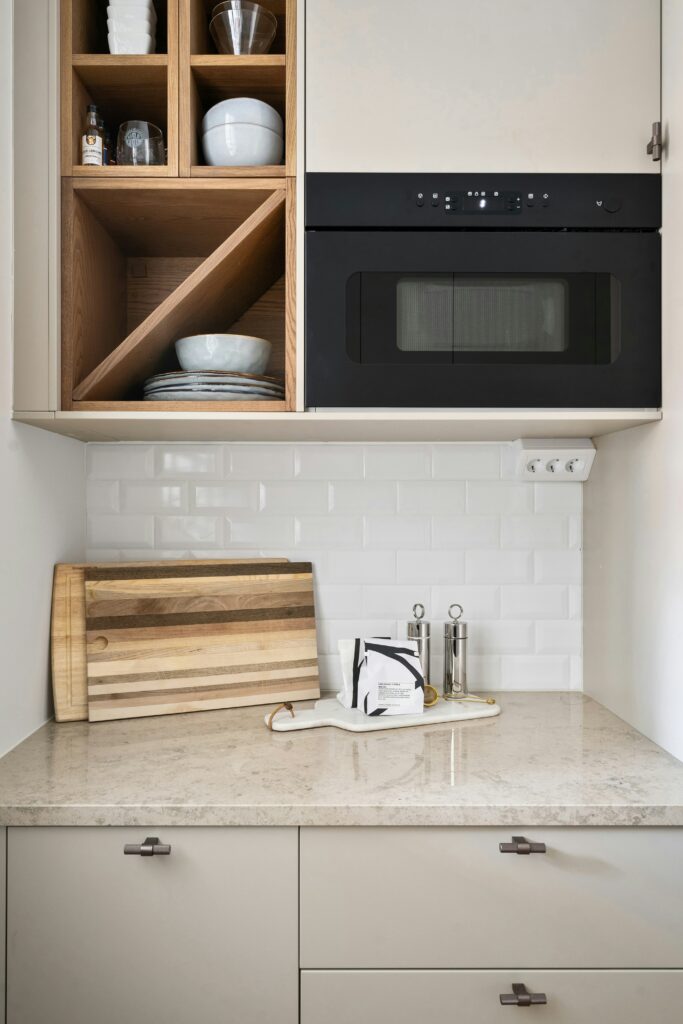
Apollo Slab Tech vs Quartz: Which Worktop Is Right for Your Kitchen?
Choosing the right kitchen worktop is one of the most important decisions you’ll make during a renovation. It’s where meals are prepared, families gather, and daily life unfolds, so it needs to balance style, durability and practicality. Two of the most popular premium options are Apollo Slab Tech and quartz worktops. While both offer low maintenance, long-lasting performance and a high-end finish, they differ in several key areas that can influence which is best suited to your home.
What Is Apollo Slab Tech?
Apollo Slab Tech is a premium acrylic solid surface made from acrylic resin and natural mineral fillers. Unlike laminate worktops, it is solid throughout its thickness, meaning the colour and pattern run all the way through the material. This allows minor scratches and chips to be professionally repaired by sanding and refinishing instead of replacing the entire worktop.
Its biggest advantage is design flexibility. Sheets can be seamlessly joined using colour-matched adhesives to create almost invisible joints, making it possible to produce large uninterrupted worktops, integrated sinks, waterfall ends, curved breakfast bars and bespoke edge profiles. This makes Apollo Slab Tech particularly attractive for contemporary kitchens with clean lines and minimalist styling.
What Is Quartz?
Quartz worktops are engineered stone surfaces manufactured from natural quartz crystals combined with resin and pigments. The result is a dense, durable and non-porous surface that closely replicates the appearance of natural stone while requiring far less maintenance.
Modern quartz is available in a wide range of finishes, including marble, granite, concrete and terrazzo effects. Many homeowners choose quartz because it offers luxurious stone-inspired designs alongside excellent scratch resistance, stain resistance and durability.
Appearance and Design
Both materials create stunning kitchens, but they achieve different aesthetics.
Apollo Slab Tech is designed for smooth, seamless surfaces. Invisible joints and integrated sinks create a clean, uninterrupted appearance that complements minimalist, Scandinavian and contemporary kitchens.
Quartz focuses on replicating the natural beauty of stone. Dramatic veining, bold patterns and textured finishes make it ideal for homeowners who want their worktop to become a statement feature. Marble-inspired quartz remains one of the most sought-after options for modern kitchens.
Neither material is better than the other—the right choice depends entirely on your preferred design style.
Seamless Installation
One of Apollo Slab Tech’s greatest strengths is its seamless fabrication.
Large kitchen islands and L-shaped layouts often require multiple pieces of worktop. With quartz, these sections are joined together during installation, and although experienced installers minimise their visibility, the joints usually remain noticeable on close inspection.
Apollo Slab Tech sections are bonded together and polished until the joins become almost invisible. The result is a continuous surface that looks as though it has been manufactured from a single piece.
This not only creates a cleaner appearance but also reduces places where dirt and crumbs can collect, making everyday cleaning easier.
Durability
Both worktops are designed to cope with busy kitchens, but they excel in different ways.
Quartz is one of the hardest engineered worktop materials available, offering outstanding resistance to scratches and everyday wear. It is ideal for households where the kitchen sees heavy daily use.
Apollo Slab Tech is slightly softer, making it more susceptible to light surface scratches over time. However, those scratches can usually be removed through professional refinishing, allowing the worktop to regain its original appearance.
Quartz is less likely to scratch, but if it suffers a deep chip or crack, repairs are generally more difficult and sometimes require replacing the damaged section.
Heat Resistance
Neither material should be considered completely heatproof.
Quartz generally offers better resistance to moderate heat, but sudden temperature changes can still damage the resin within the material. Apollo Slab Tech is more sensitive to direct heat because of its acrylic composition.
Regardless of which worktop you choose, always use trivets, heat mats or pan stands when placing hot cookware on the surface.
Maintenance
One reason both materials remain popular is their ease of maintenance.
Because both are non-porous, liquids remain on the surface instead of soaking into the material. Everyday spills such as coffee, wine, oils and sauces can usually be wiped away using warm water, mild washing-up liquid and a soft cloth.
Unlike many natural stone worktops, neither Apollo Slab Tech nor quartz normally requires regular sealing, making them excellent choices for busy households looking for a low-maintenance kitchen.
Repairability
Repairability is one of the biggest differences between the two materials.
Because Apollo Slab Tech is solid throughout, light scratches, minor chips and everyday wear can often be repaired by sanding and polishing the affected area. This can significantly extend the life of the worktop while keeping it looking almost new.
Quartz offers greater scratch resistance but is less forgiving once significant damage occurs. Large chips or cracks are more difficult to repair and may require specialist restoration or replacement.
Design Flexibility
Apollo Slab Tech offers greater creative freedom than quartz.
It can be thermoformed into curved shapes and fabricated into integrated sinks, waterfall islands, splashbacks, floating shelves and bespoke features that are difficult or impossible to achieve with engineered stone.
Quartz is available in many colours and edge profiles but remains a rigid material that cannot be moulded into curved designs.
If your project includes flowing lines or seamless integrated features, Apollo Slab Tech is usually the better choice.
Cost and Long-Term Value
Both Apollo Slab Tech and quartz are premium worktop materials, with prices varying depending on colour, thickness, edge profile, fabrication requirements and installation complexity.
Entry-level quartz may cost a similar amount to Apollo Slab Tech, while premium marble-effect quartz often commands higher prices.
When comparing costs, consider more than the initial purchase price. Lifespan, maintenance requirements, repair options and long-term durability all contribute to overall value. A worktop that performs well for decades often proves a better investment than one chosen purely because it was cheaper initially.
Apollo Slab Tech vs Quartz Comparison
| Feature | Apollo Slab Tech | Quartz |
| Seamless joints | Excellent | Limited |
| Scratch resistance | Good | Excellent |
| Heat resistance | Good | Very Good |
| Repairability | Excellent | Limited |
| Integrated sinks | Yes | No |
| Thermoforming | Yes | No |
| Non-porous | Yes | Yes |
| Maintenance | Very Low | Very Low |
| Natural stone appearance | Good | Excellent |
| Bespoke fabrication | Excellent | Good |
Which Should You Choose?
Apollo Slab Tech is ideal if you want seamless worktops, integrated sinks, bespoke fabrication and a repairable surface that supports contemporary kitchen designs.
Quartz is the stronger choice if your priority is exceptional scratch resistance, dramatic stone-inspired aesthetics and the timeless appearance of marble or granite without the maintenance associated with natural stone.
Both materials are durable, hygienic and easy to maintain, making either an excellent investment for a modern kitchen. The best choice ultimately depends on your design vision, how you use your kitchen and which features matter most to your lifestyle.
Frequently Asked Questions
Is Apollo Slab Tech as durable as quartz?
Both materials are highly durable. Quartz offers better scratch resistance, while Apollo Slab Tech has the advantage of being repairable if cosmetic damage occurs.
Does quartz require sealing?
No. Quartz is non-porous and generally does not require sealing.
Can Apollo Slab Tech scratch?
Yes, light scratches can develop with everyday use, but they can usually be professionally refinished.
Which material is easier to clean?
Both require minimal maintenance and can usually be cleaned using warm water, mild detergent and a soft cloth.
Which is better for integrated sinks?
Apollo Slab Tech is the preferred option because sinks can be seamlessly bonded into the worktop.
Final Thoughts
Apollo Slab Tech and quartz are both excellent premium worktop materials, but they suit different priorities. Apollo Slab Tech stands out for its seamless appearance, design flexibility and repairability, making it perfect for modern, bespoke kitchens. Quartz excels in scratch resistance and authentic stone-inspired finishes, making it a favourite for homeowners seeking timeless luxury with minimal maintenance.
By considering your design preferences, cooking habits and long-term expectations, you can choose a worktop that not only enhances the appearance of your kitchen but also delivers lasting performance for years to come.
