
Why Choose MAKStone for Your Kitchen?
Staron Solid Surface Worktops: The Ultimate Choice for Your Kitchen

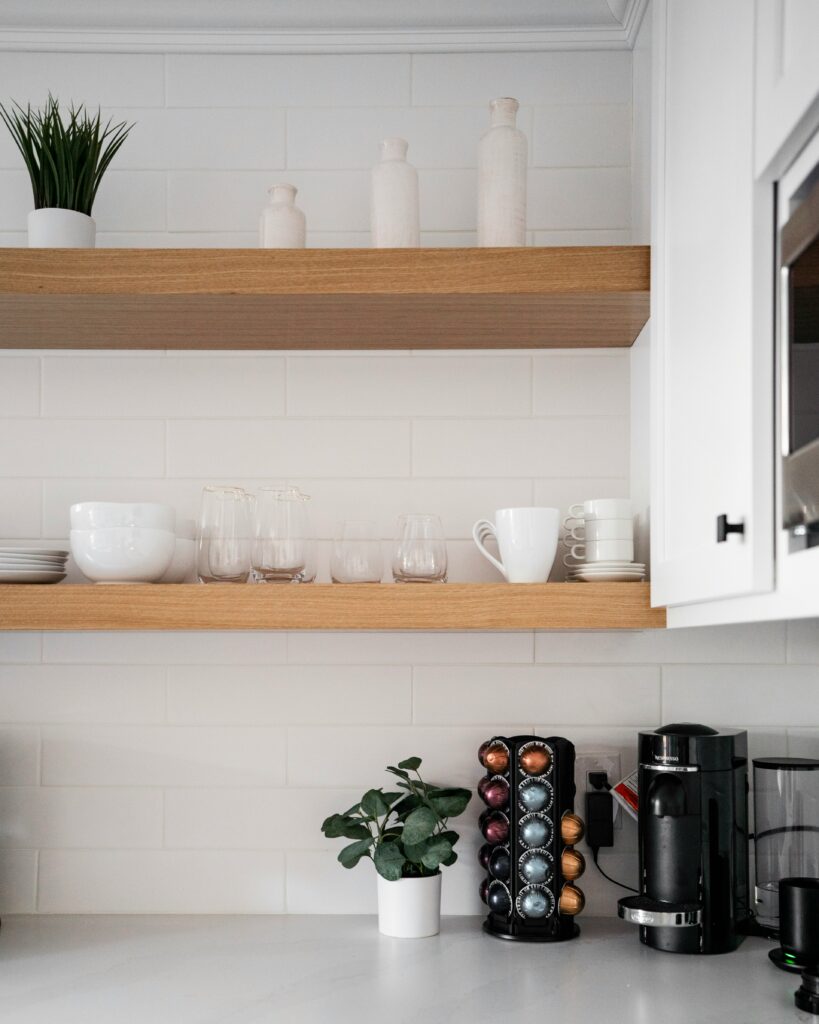
Everything UK homeowners need to know before choosing between Corian and Staron worktops, including durability, appearance, maintenance, costs, and which solid surface material is best suited to your kitchen.
Choosing a kitchen worktop is one of the most important decisions you’ll make during a renovation. While cabinets, flooring and appliances can all influence the look of a kitchen, the worktop is often the surface you interact with most. It needs to withstand daily use, complement your design scheme and provide long-term value.
For homeowners exploring premium solid surface worktops, Corian and Staron are two of the most frequently compared options. Both have earned strong reputations within the industry and are regularly specified in residential and commercial projects throughout the UK.
Over the years, we’ve worked with homeowners undertaking everything from small kitchen upgrades to complete luxury renovations. One question that comes up repeatedly is whether Corian is worth the additional investment or whether Staron offers a better balance between performance and price.
The reality is that both products are excellent choices, but there are differences that can make one more suitable for your project than the other. In this guide, we’ll take a closer look at how Corian and Staron compare in terms of appearance, durability, maintenance, cost, installation and long-term value.
What Are Corian and Staron Worktops?
Corian and Staron both belong to a category known as solid surface worktops.
Unlike granite, quartz or marble, solid surface materials are manufactured using a blend of acrylic resins and natural minerals. This creates a non-porous surface that is consistent throughout its thickness, allowing fabricators to create seamless installations and repair minor damage more easily than many other worktop materials.
One of the biggest advantages of solid surface worktops is their versatility. The material can be cut, shaped, joined and thermoformed into designs that would be difficult to achieve using natural stone.
Both Corian and Staron are commonly used in:
- Residential kitchens
- Kitchen islands
- Utility rooms
- Bathrooms
- Reception areas
- Restaurants and cafes
- Healthcare facilities
- Commercial interiors
Because the colour and pattern run throughout the material, small scratches and surface wear can often be refinished rather than requiring replacement.
For many homeowners, solid surface worktops provide a middle ground between laminate and natural stone, combining a premium appearance with practical everyday performance.
What Is Corian?
Corian is one of the most recognised names in the solid surface market and has been used in kitchens for decades.
Originally developed in the late 1960s, Corian helped establish the solid surface category and remains one of the most trusted products among architects, designers and kitchen specialists.
Corian is known for:
- Seamless installations
- Extensive colour collections
- Integrated sinks and basins
- Thermoforming capabilities
- Consistent quality
- Strong manufacturer support
- Proven long-term durability
One reason Corian remains so popular is its track record. Many installations completed years ago are still performing well today, which gives homeowners confidence when making a significant investment.
We’ve worked on projects where existing Corian worktops have remained in excellent condition after years of daily use, requiring only minor refinishing to restore their appearance.
What Is Staron?
Staron is a premium acrylic solid surface material that has become increasingly popular in both residential and commercial environments.
Like Corian, it combines acrylic resin and natural minerals to create a durable, non-porous surface suitable for kitchens and bathrooms.
Staron offers:
- Seamless fabrication
- Modern colour collections
- Excellent stain resistance
- Hygienic properties
- Repairable surfaces
- Competitive pricing
In recent years, we’ve seen more homeowners include Staron on their shortlist, particularly when comparing alternatives to Corian. The reason is simple: it delivers many of the same practical benefits while often coming in at a more attractive price point.
For homeowners seeking a contemporary solid surface worktop without stretching the renovation budget unnecessarily, Staron is often worth serious consideration.
Appearance and Design Options
A worktop plays a major role in defining the overall style of a kitchen, so appearance is often one of the first factors homeowners consider.
Corian
Corian offers one of the broadest design ranges available within the solid surface market.
Options include:
- Pure white surfaces
- Contemporary grey tones
- Warm neutral shades
- Marble-inspired patterns
- Concrete-effect finishes
- Dark statement colours
- Subtle stone effects
The ability to create seamless joins means large islands and long worktop runs can appear as a single uninterrupted surface.
This is particularly appealing in modern kitchens where clean lines and minimal visual clutter are priorities.
Staron
Staron also provides a wide range of colours and patterns.
Available options include:
- Bright contemporary colours
- Soft neutrals
- Natural stone effects
- Speckled finishes
- Marble-look surfaces
- Modern industrial-inspired designs
Many homeowners are surprised by how extensive the Staron collection has become. In some cases, they find a colour that suits their project better than anything available within the Corian range.
Design Flexibility
Both materials allow fabricators to create:
- Curved breakfast bars
- Waterfall islands
- Integrated sinks
- Feature upstands
- Bespoke edge profiles
- Unique commercial installations
For homeowners focused primarily on aesthetics, both products provide significant design freedom.
Winner: Draw
Most homeowners will find suitable colours and designs within either range.
Durability Comparison
A kitchen worktop must withstand daily wear and tear, particularly in busy family homes.
Corian Durability
Corian has built its reputation on long-term reliability.
Its benefits include:
- Resistance to everyday impacts
- Non-porous construction
- Resistance to moisture penetration
- Resistance to mould growth
- Easy refinishing of minor scratches
In practical terms, Corian performs exceptionally well when treated with reasonable care.
We’ve seen Corian installations remain attractive for many years, even in kitchens that experience heavy daily use.
Staron Durability
Staron offers very similar performance characteristics.
Advantages include:
- Strong resistance to staining
- Durable acrylic construction
- Renewable surface finish
- Long service life
- Reliable day-to-day performance
In day-to-day kitchen use, most homeowners would struggle to identify meaningful performance differences between Corian and Staron.
Real-World Performance
Both materials cope well with:
- Food preparation
- Family cooking
- Daily cleaning
- Entertaining guests
- Busy kitchen environments
As with any worktop material, longevity depends on how well it is maintained and how carefully it is used.
Homeowners should understand that no worktop is completely immune to scratches, dents or accidental damage. However, both Corian and Staron tend to perform well under normal household conditions and offer the added advantage of repairability.
Winner: Draw
Both products provide excellent durability for residential kitchens.
Heat Resistance
Heat resistance is often misunderstood when comparing worktop materials.
Neither Corian nor Staron should be considered heat-proof.
While both materials can tolerate moderate heat exposure, placing a hot pan directly from the hob or oven onto the surface can result in damage.
We always advise homeowners to use:
- Heat mats
- Trivets
- Pan stands
- Protective accessories
This recommendation applies regardless of whether you choose Corian or Staron.
Direct heat damage is preventable and taking simple precautions can significantly extend the appearance of your worktop.
It’s also worth remembering that many premium worktop materials, including quartz, can be damaged by excessive heat. Good kitchen habits are important regardless of the surface you choose.
Winner: Draw
Both products require sensible heat protection measures.
Stain Resistance
One of the strongest advantages of solid surface worktops is their resistance to staining.
Because neither Corian nor Staron is porous, liquids cannot easily penetrate the surface.
This helps protect against common kitchen spills including:
- Coffee
- Tea
- Red wine
- Fruit juice
- Cooking oils
- Sauces
- Food colouring
In most cases, spills can simply be wiped away using a damp cloth and mild household cleaner.
For busy households, this ease of maintenance is often a major selling point.
Homeowners who have previously struggled with porous surfaces often appreciate how forgiving solid surface materials can be when accidents happen.
Winner: Draw
Both materials provide outstanding stain resistance.
Seamless Installation
Seamless fabrication is one of the defining features of solid surface worktops.
Unlike quartz, granite or laminate, Corian and Staron can be joined in a way that makes seams extremely difficult to detect.
Corian
Corian is widely known for creating:
- Invisible joins
- Integrated sinks
- Continuous islands
- Curved surfaces
- Bespoke design features
This makes it particularly attractive for high-end kitchen designs.
Staron
Staron offers many of the same benefits.
Fabricators can create:
- Seamless joins
- Integrated sink units
- Large worktop runs
- Curved installations
- Custom shapes
For most homeowners, the visual result is virtually identical.
Why This Matters
Fewer visible joins can create:
- A cleaner appearance
- Easier maintenance
- Improved hygiene
- A more premium finish
This is one reason solid surface materials continue to grow in popularity among homeowners looking for sleek, modern kitchens.
Winner: Draw
Both excel in seamless fabrication.
Repairability
Repairability is where solid surface materials often outperform other premium worktop options.
Corian
Minor damage can frequently be repaired through:
- Surface refinishing
- Light sanding
- Polishing
- Localised repairs
This can extend the life of the worktop significantly.
Staron
Staron offers similar repair benefits.
Common issues such as:
- Light scratches
- Surface marks
- Minor chips
can often be addressed without replacing the entire worktop.
Long-Term Value
Many homeowners underestimate the value of repairability.
With materials such as quartz, granite or marble, damage can sometimes be difficult or expensive to disguise. Solid surface materials offer a practical advantage because many imperfections can be corrected without major disruption.
For households planning to stay in their home for many years, this can contribute to lower long-term ownership costs.
Winner: Draw
Both products perform exceptionally well in this category.
Hygiene and Maintenance
For modern homeowners, cleanliness is an increasingly important consideration.
Both Corian and Staron are non-porous, meaning they do not provide the same environment for bacteria growth as porous materials.
Benefits include:
- Easy cleaning
- Hygienic food preparation areas
- No sealing requirements
- Resistance to moisture penetration
- Reduced maintenance demands
Routine care typically involves:
- Warm water
- Mild detergent
- Soft cloths
- Non-abrasive cleaning products
Compared with some natural stone surfaces, maintenance requirements are minimal.
This makes both materials particularly attractive for busy households where convenience is an important factor.
Winner: Draw
Both offer excellent hygiene and low-maintenance ownership.
Cost Comparison
Cost is often one of the deciding factors when comparing Corian and Staron.
Pricing varies according to:
- Colour selection
- Worktop thickness
- Edge profile specification
- Integrated sink requirements
- Fabrication complexity
- Installation costs
Generally speaking, Corian tends to command a premium due to its reputation and long-standing position within the market.
| Factor | Corian | Staron |
| Entry-Level Pricing | Higher | Lower |
| Premium Colours | Higher | Moderate |
| Fabrication Costs | Similar | Similar |
| Installation Costs | Similar | Similar |
| Long-Term Value | Excellent | Excellent |
For larger projects involving substantial worktop areas, the savings associated with Staron can become more noticeable.
However, homeowners should always compare complete project quotations rather than focusing solely on material costs, as fabrication and installation can represent a significant portion of the overall budget.
Winner: Staron
Homeowners seeking maximum value often find Staron particularly attractive.
Real Project Experience
Across numerous kitchen renovations, we’ve seen successful installations using both Corian and Staron.
One recent project involved a large open-plan family kitchen where the homeowners wanted a seamless island with integrated sink features. Corian was selected because a specific colour matched the overall design scheme perfectly.
On another renovation project, a homeowner chose Staron after comparing several samples side by side. The visual appearance met their expectations, and the savings allowed them to invest more heavily in appliances and cabinetry.
Experiences like these highlight an important point: there is rarely a universally correct choice.
The best worktop is the one that aligns with your design goals, lifestyle and budget.
Which Worktop Is Best for Families?
Busy family kitchens place significant demands on worktops.
Both Corian and Staron offer advantages including:
- Easy cleaning
- Excellent hygiene
- Stain resistance
- Repairability
- Long lifespan
- Seamless designs
Families often appreciate the practical nature of solid surface materials because they combine premium aesthetics with everyday usability.
For homes with children, the ability to quickly clean spills and maintain a hygienic surface can be a major benefit.
Which Worktop Is Best for Modern Kitchens?
Modern kitchens frequently prioritise clean lines and uninterrupted surfaces.
Both materials work exceptionally well for:
- Waterfall islands
- Handleless kitchens
- Integrated sinks
- Contemporary open-plan spaces
- Minimalist interiors
The ability to create seamless installations helps reinforce the sleek appearance that many homeowners desire.
Whether you’re designing a minimalist white kitchen or a darker contemporary space, both materials can help achieve a polished, high-end finish.
Corian vs Staron: Pros and Cons
Corian Pros
- Industry-leading reputation
- Extensive colour range
- Proven long-term performance
- Excellent repairability
- Outstanding design flexibility
Corian Cons
- Higher initial cost
- Premium collections can increase project budgets
Staron Pros
- Excellent value for money
- Durable and repairable
- Wide colour selection
- Strong overall performance
- Competitive pricing
Staron Cons
- Less established brand recognition
- Slightly smaller premium collection range
Final Verdict: Corian or Staron?
For most homeowners, both Corian and Staron are excellent worktop choices.
Choose Corian if:
- You want one of the most recognised solid surface brands.
- You value maximum design and colour flexibility.
- Long-term brand reputation is a priority.
Choose Staron if:
- You want excellent value for money.
- You are working within a defined renovation budget.
- You want premium solid surface performance at a potentially lower cost.
From our experience, the quality of fabrication and installation often has a greater impact on long-term satisfaction than the brand name itself. A professionally fabricated and expertly installed Corian or Staron worktop can provide years of reliable performance, beautiful aesthetics and practical everyday usability.
Ultimately, the decision comes down to balancing budget, design preferences and personal priorities. For some homeowners, Corian’s heritage and extensive range justify the additional investment. For others, Staron delivers everything they need while offering better overall value.
Whichever option you choose, both materials represent a significant step up from many traditional worktop alternatives and can form the centrepiece of a kitchen that looks exceptional and performs beautifully for years to come.
